Loading page…
Loading page…
Guide
What to expect during balcony, pigeon and duct-area safety net installation.
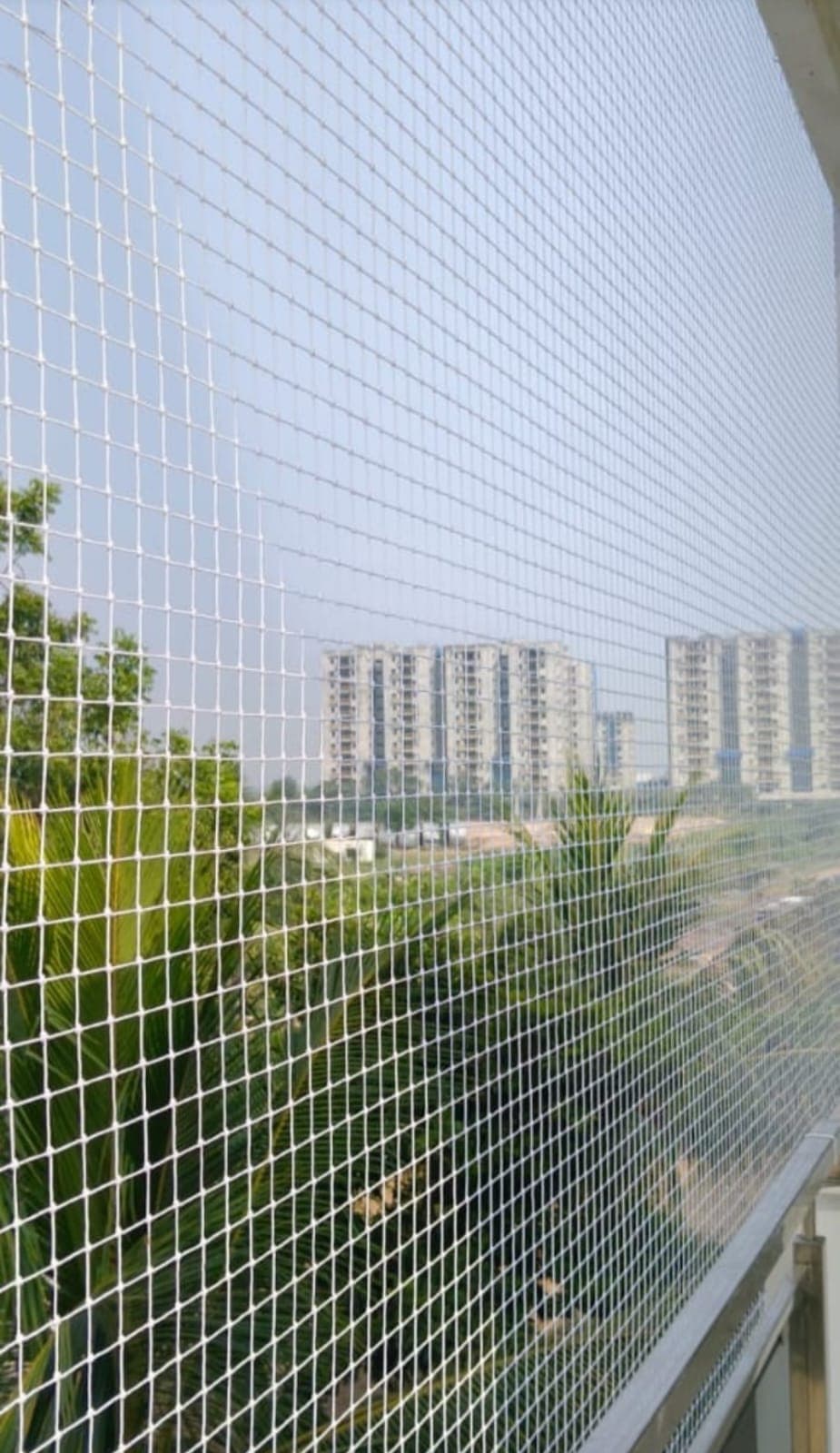
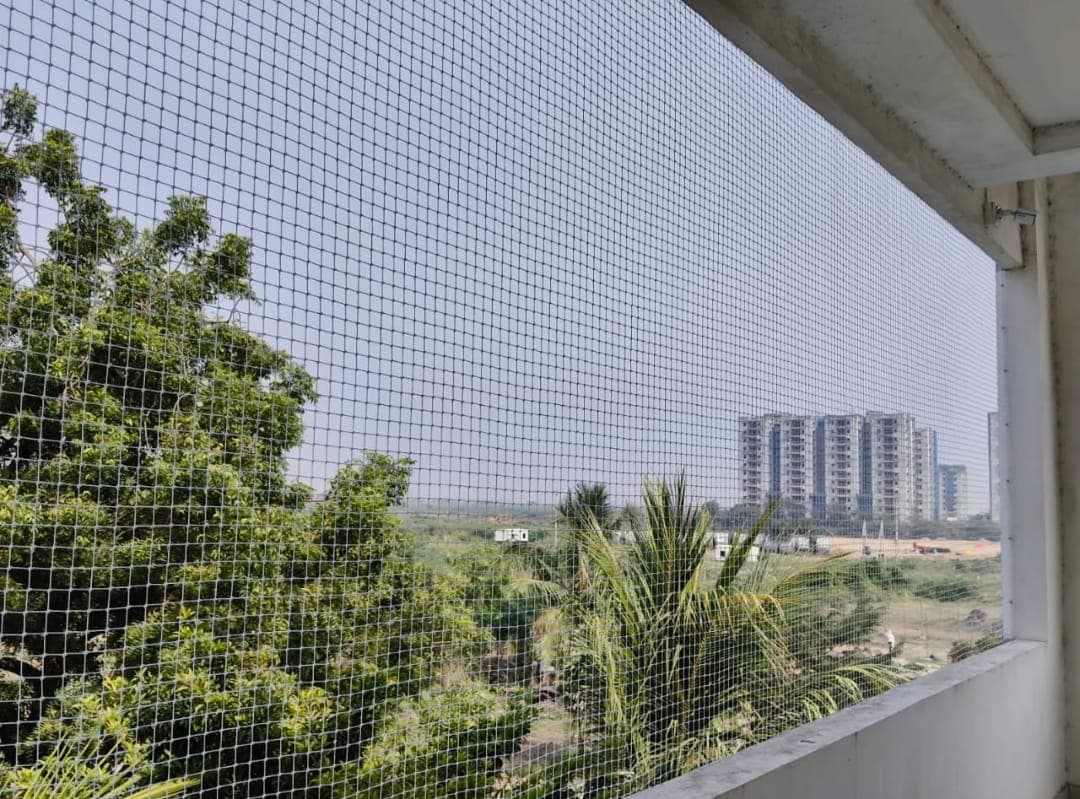
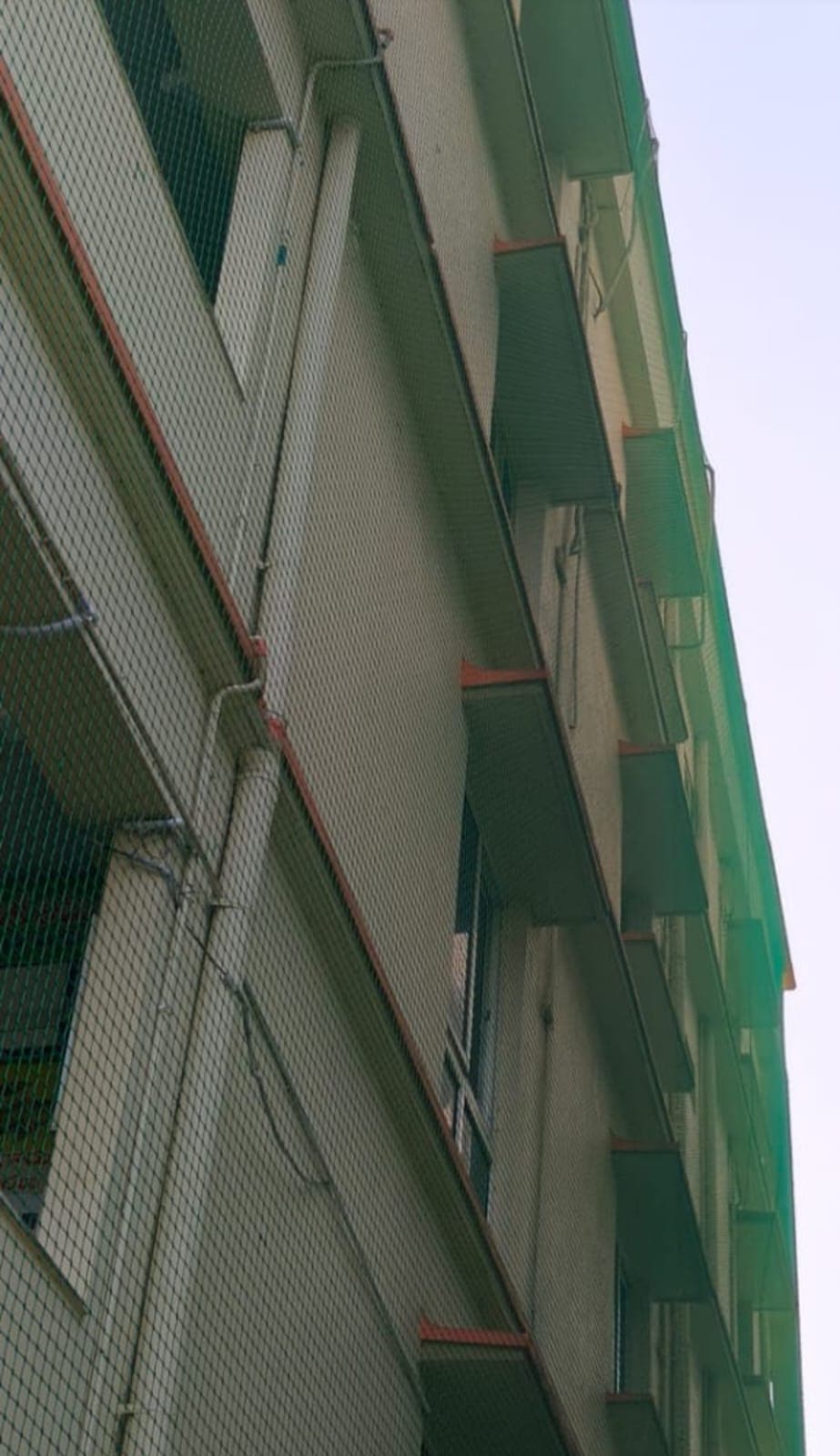

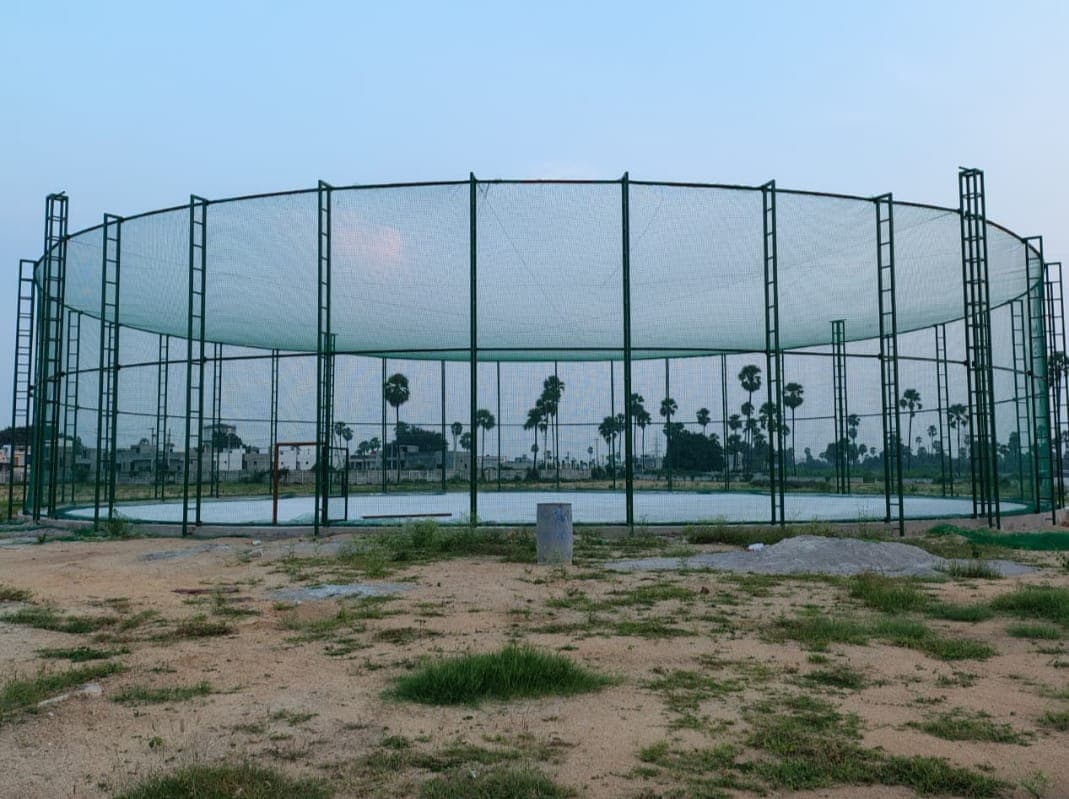
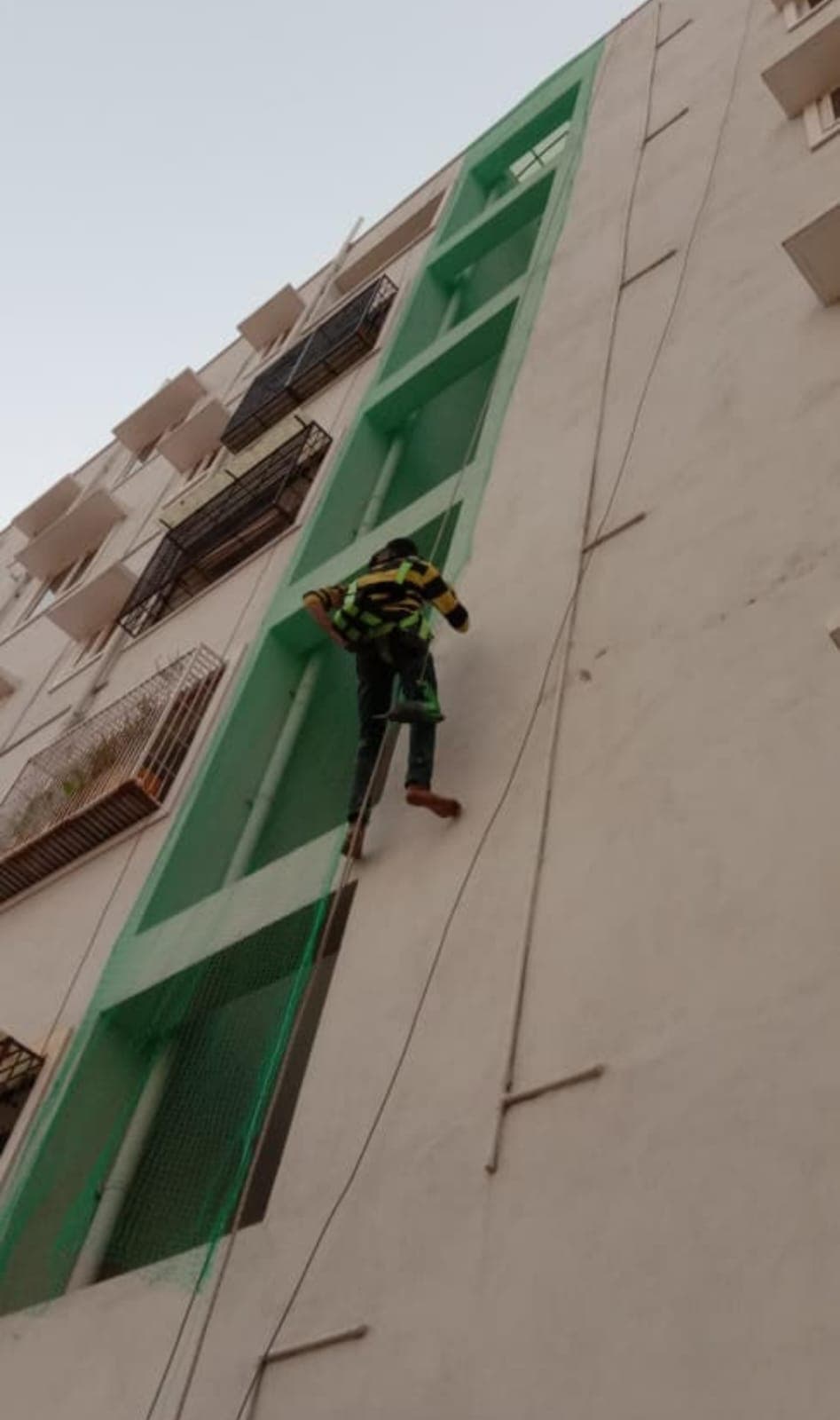
This guide expands on practical decisions for households and facility managers across Andhra Pradesh. Use the sections below to prepare for measurement and quotation. Service availability is confirmed per site — listing a locality on this website does not mean a permanent office exists there.
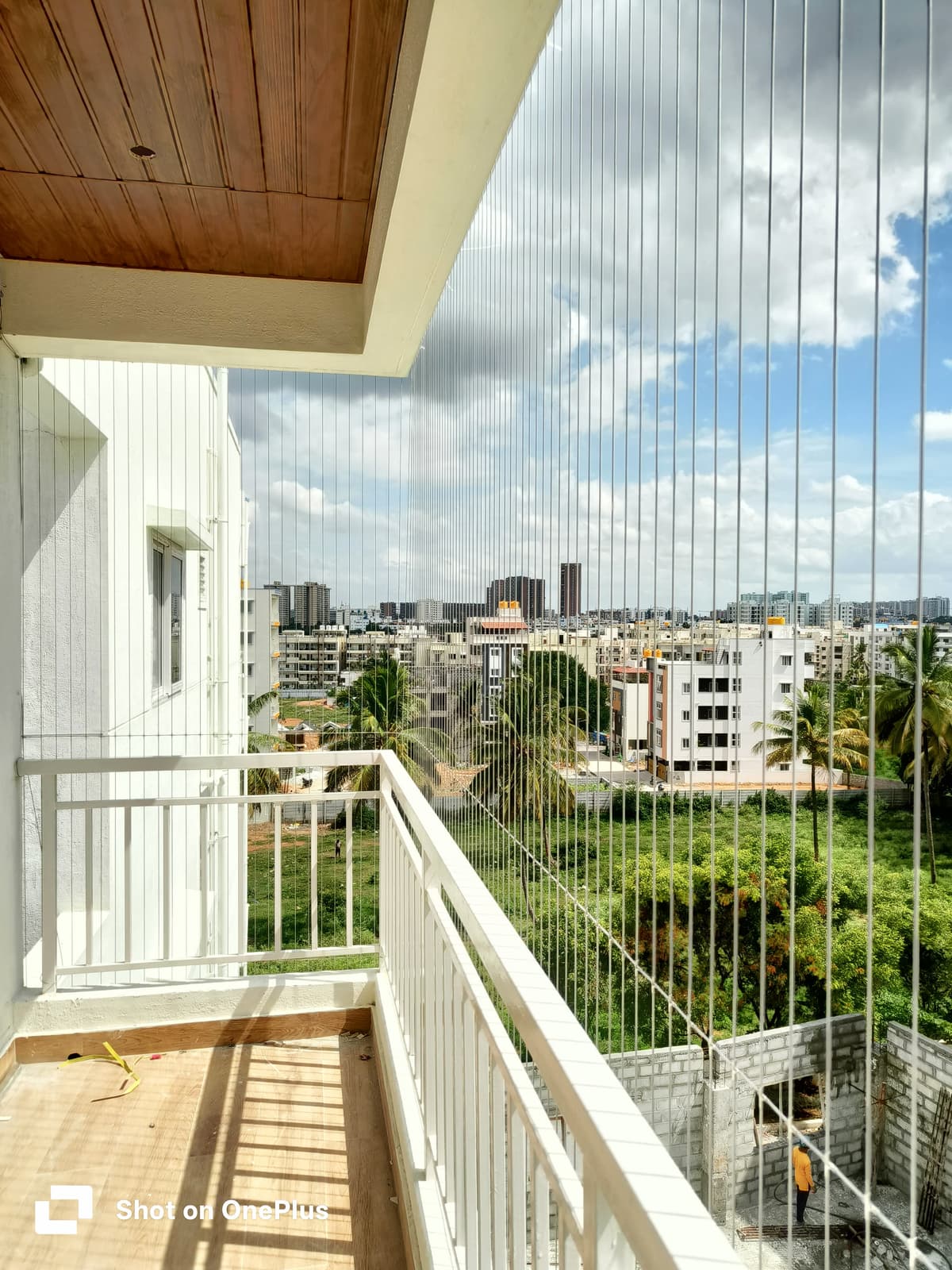
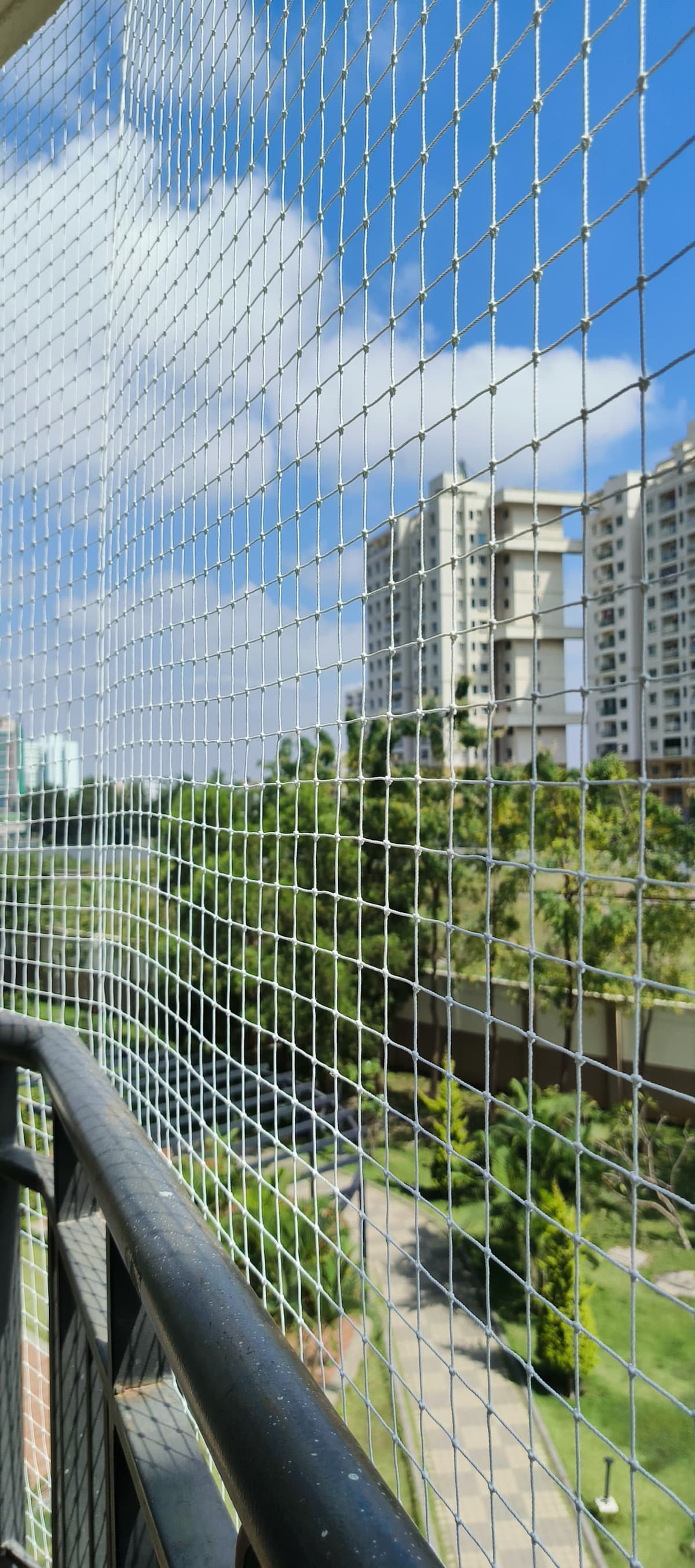
Safety nets are used across Andhra Pradesh for balcony fall-risk reduction, pigeon and bird control, duct-area protection, terrace screening and selected staircase or window openings. Families and facility managers often underestimate how much the fixing plan matters. A thick net fixed loosely, or a neat mid-span with open corners, can fail the purpose even when the material label sounded premium.
This guide explains what happens from enquiry to handover so you can prepare the property, ask better questions and avoid comparing incomplete quotes. Installation services across a location remain subject to site accessibility, measurements, technician availability and project requirements. Website locality names help navigation; they do not invent branch offices.
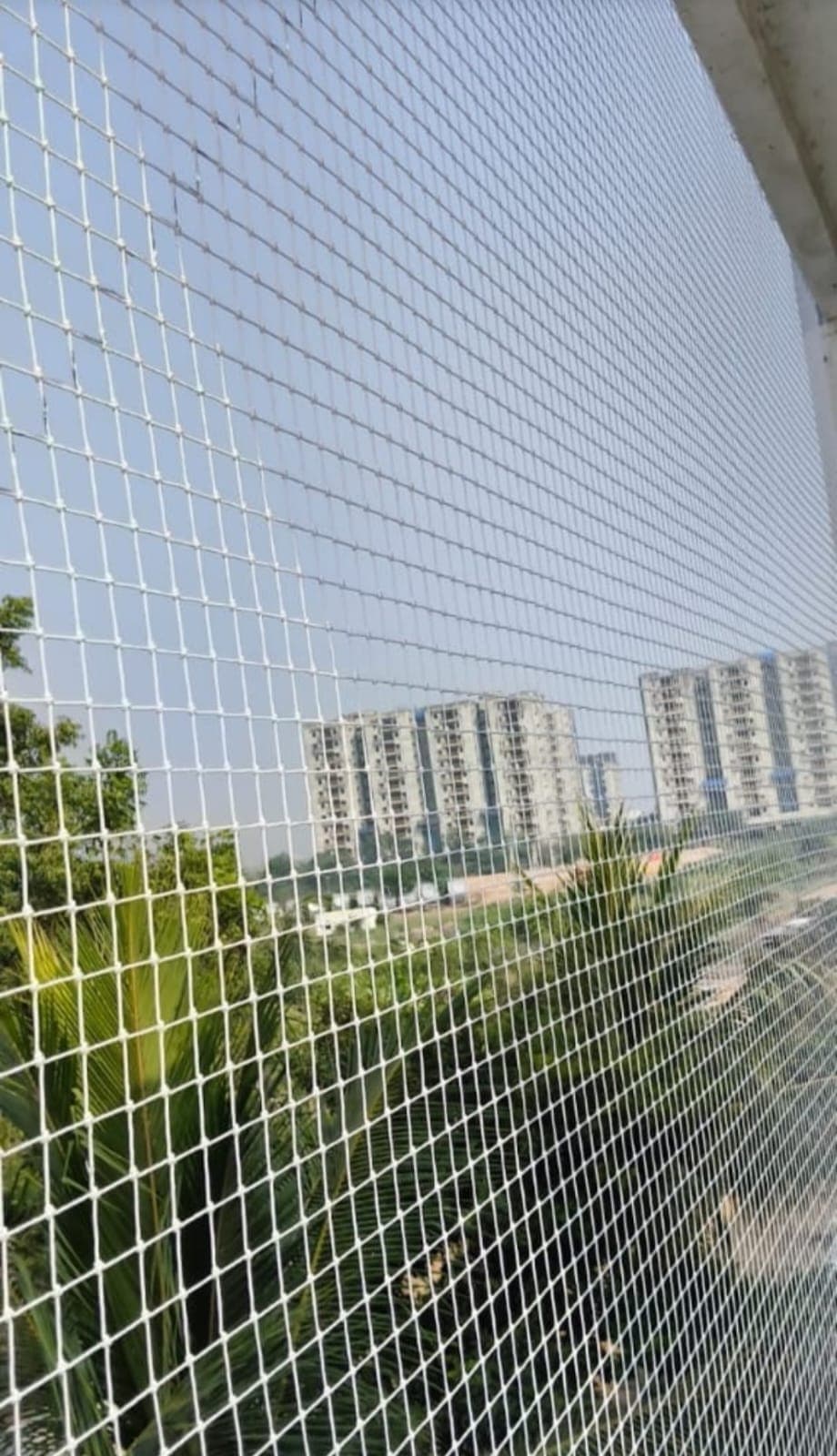
Say the primary purpose out loud before anyone drills a hole. Bird control usually needs apertures small enough to discourage entry and edges sealed so nesting pockets disappear. Child or pet safety emphasises coverage continuity, tension and whether climbable furniture still defeats the barrier. Some openings need both outcomes; measurement clarifies whether one specification can serve or whether priorities must be ranked.
Utility balconies with outdoor units, washing lines and storage create different geometry from clear living balconies. Duct openings can be vertical hazards and bird routes at the same time. Terrace edges used for play or drying may need wider spans and stronger edge supports. Listing each opening with its purpose prevents a one-mesh-fits-all assumption.
Measurement captures width, height, irregular returns, fixing surfaces and obstacles. Photos help start the conversation, but final quantity should follow on-site dimensions. Inspectors also look at wall plug suitability, railing strength, neighbouring constraints and whether installers can work safely at the edge. If civil work is unfinished or terrace access is blocked, rescheduling is wiser than forcing a poor fixing day.
Share society working hours, lift rules and any drilling restrictions early. Apartment installations often fail timelines not because the net is complex, but because permission and access were left to the last morning. A responsible adult should be available during measurement to confirm which openings are in scope and which are later-phase work.
Outdoor nets commonly use UV-stabilised nylon or polyethylene meshes. Aperture and twine thickness should match the job. Hooks, ropes, frames and wall plugs must suit the substrate. Asking only “is it UV?” is not enough; ask how edges will be finished around AC units, ducts and corners. Incomplete corners are the usual bird-control failure point.
Coastal moisture and strong sun across Andhra Pradesh reward better UV quality and thoughtful fastener selection. Inland sites still need outdoor-rated thinking. Colour is mostly preference; durability depends more on mesh quality, thickness, tension and exposure than on colour marketing. Reusing old hooks is acceptable only when they are sound and correctly placed for the new tension pattern.
Prepare by clearing stored items from the working edge, keeping children and pets away, and protecting nearby belongings from dust where drilling occurs. Technicians mark fixing points, install anchors or supports, cut and tension the net, and finish around obstacles. Expect some noise. Weather can postpone external work when rain or unsafe conditions appear.
A good handover includes a walk-through of covered edges, an explanation of basic cleaning, and clarity on what to report if hooks loosen or mesh sags. Installation debris from the work should be cleared as part of normal closure. Pre-existing clutter remains a household responsibility. If you request scope changes mid-job, agree commercial impact before extra work proceeds.
Balcony nets succeed when gap mapping is honest: railing pitch, side walls, furniture climb aids and door habits all matter. Duct nets need secure edges without leaving entry pockets above or beside the shaft. Terrace bird netting over ledges can require more custom cutting than a straight balcony run even when the square area looks similar on paper.
For child safety, remind the household that nets reduce risk; they do not replace supervision. Keep planters and stools away from edges after installation. For pets, discuss climbing and clawing behaviour so expectations stay realistic. For bird control, understand that untreated neighbouring ledges outside your scope may still attract pigeons.
Clear debris, avoid hanging heavy storage from the mesh, and inspect after storms or very high winds. Small tears and loose hooks worsen with sun and use. Early repair is usually cheaper and safer than waiting for a large failure. Coastal homes benefit from more frequent cleaning of dust and salt film around fittings.
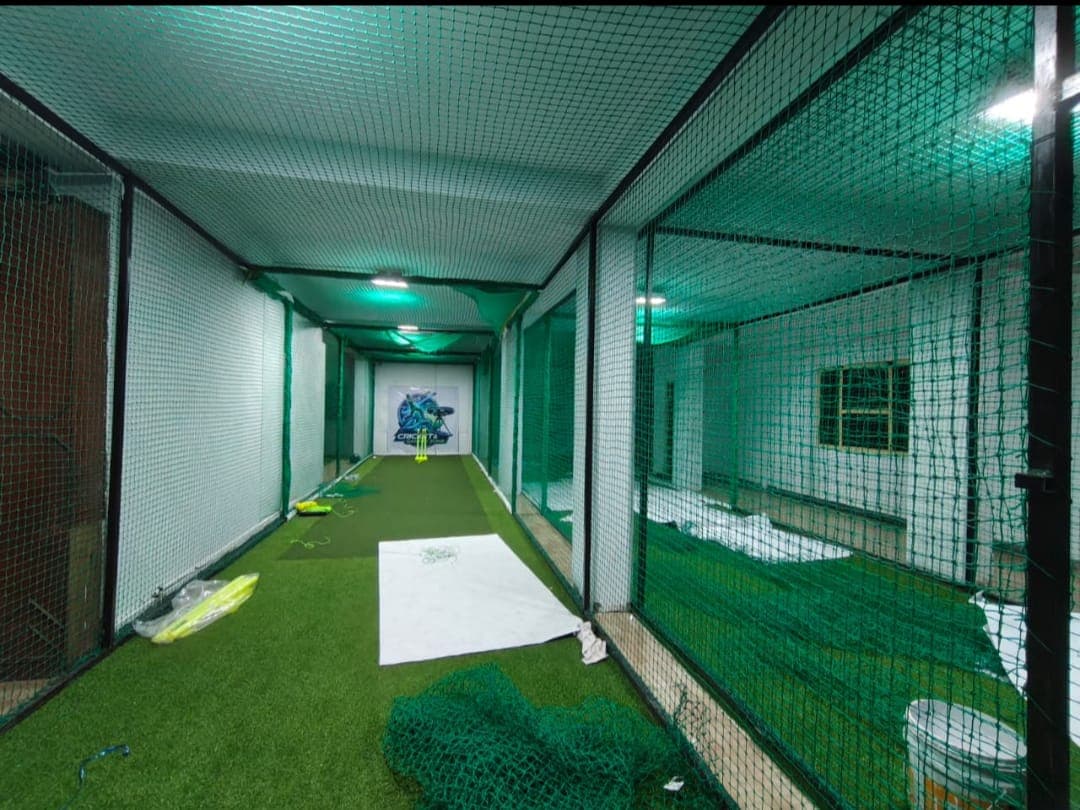
If you renovate railings or enclose a balcony later, do not assume the old net still fits. Fresh measurement is the safe approach. Likewise, do not treat sports practice nets and balcony bird nets as interchangeable products; impact load and span needs differ.
A strong brief includes city or area, photos of each opening, primary purpose per opening, floor level, access notes and society constraints. Ask for a quotation that states measured scope, mesh direction, inclusions and exclusions. Compare vendors on those lines rather than on a single headline number. Honest installers will also say when a surface is unsuitable for safe anchoring.
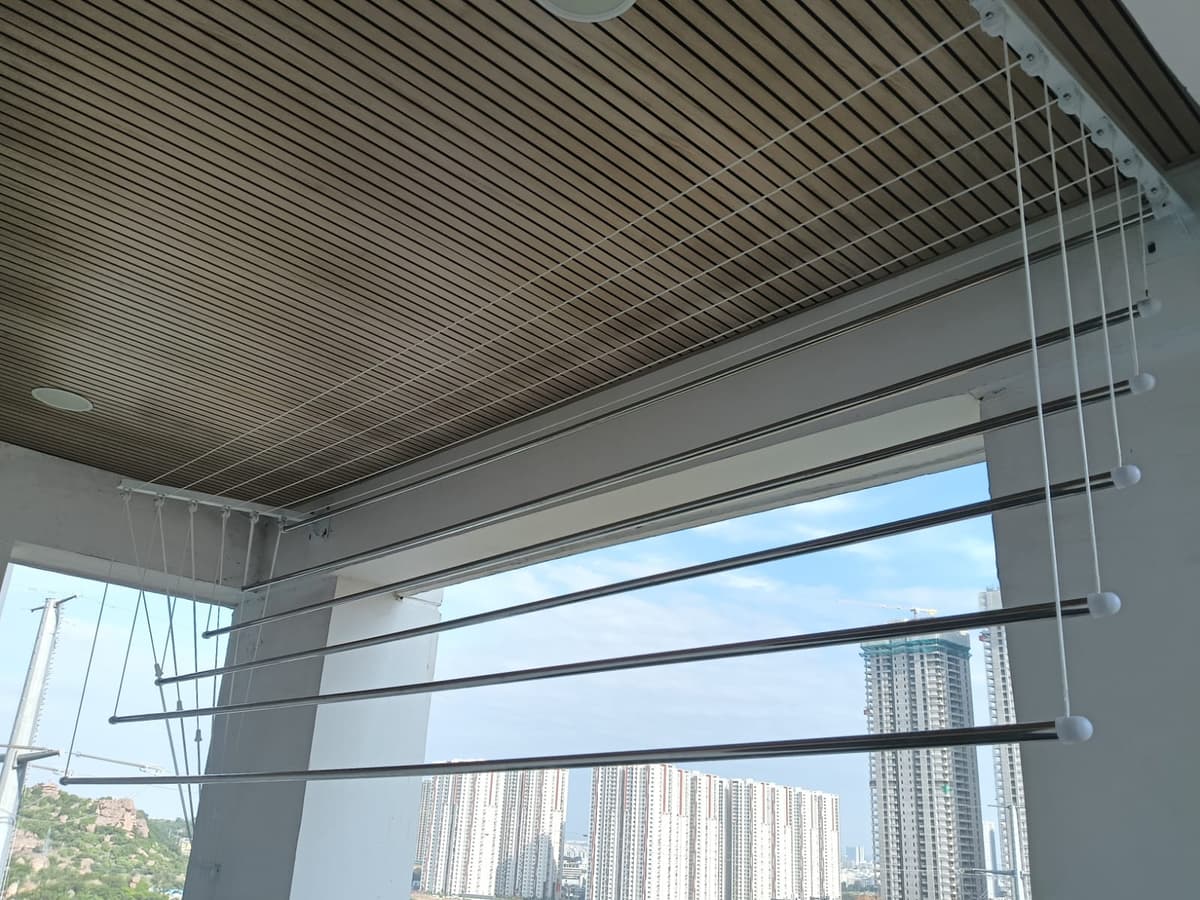
If you need multiple services — for example balcony nets plus a cloth drying hanger — request combined measurement when access allows. That reduces repeated visits and helps coordinate fixing positions so utility hardware and safety coverage do not fight each other for the same corner of ceiling or wall.
Birds exploit the smallest untreated pocket. A net that looks complete from the living room can still leave an entry gap above an AC shelf or beside a duct lip. During installation, walk the perimeter with the technician and look specifically for triangular corners, pipe penetrations and junctions with neighbouring walls. Ask how those points will be closed before the team packs up.
Pre-cleaning matters. Old nesting material and droppings make fixing messier and can hide weak plaster. Where hygiene is a concern, plan cleaning before netting day rather than trapping debris behind fresh mesh. If neighbouring ledges outside your legal scope attract pigeons, set expectations honestly — your installation can protect agreed openings, not the entire elevation of a tower.
After handover, keep storage from pressing continuously against the mesh. Constant contact creates abrasion and sag. If you later add planters or shelves, check that they do not reopen climb paths or bird pockets at the edge.
Schools, hostels and small commercial sites may need nets for different reasons than a family balcony — practice boundaries, utility yards or repeated public use. Durability and access planning take priority. Confirm who authorises anchors on shared structures and who will be present for measurement. A single vague site walk without an opening list usually produces weak quotations.
Multi-opening apartment packages benefit from consistent mesh direction and tidy finishing language across balconies. That makes maintenance easier and reduces visual patchwork. Still measure each opening; similar-looking balconies can differ once outdoor units and side returns are counted.
For phased institutional work, document completed zones and remaining zones clearly. Re-measure before later phases if civil changes occurred. Installation process quality is as important as mesh brand stories when many people will rely on the finished barrier.
If a net sags quickly, check whether hooks loosened, ropes stretched, or an edge was left under-supported. Share photos promptly rather than waiting for a large tear. If birds still enter, inspect corners and junctions before assuming the mesh aperture is wrong. Many “product failures” are unfinished edges.
Storm seasons in Andhra Pradesh are a natural inspection trigger. After heavy wind or rain, look for shifted hooks, abraded contact points and debris loads. Clear leaves and litter that add weight. If a section was damaged by renovation contractors later, treat repair as scoped work with fresh assessment.
Keep your quotation and scope note. When requesting service later, referring to the original openings list speeds diagnosis. Good aftercare is mostly ordinary attention — not specialised tools — combined with timely communication when something looks wrong.
Before the team arrives, confirm permissions, clear the edge, secure pets, protect nearby belongings, and keep a contact person available. Mark which openings are in today’s scope if the home has a phased plan. Have photos of any society circulars ready in case working-hour questions appear.
During work, stay available for decisions about unexpected obstacles without hovering unsafely near open edges. After work, walk every corner, test tension with the technician’s guidance, and write down care points while they are fresh. A short readiness discipline turns a generic installation day into a controlled handover you can trust.
Share your city or area, photos and priorities. We will confirm whether measurement can be scheduled and outline a site-specific recommendation.
Pricing depends on measurements, material grade, required spacing, installation complexity, building height, site accessibility and total project quantity.