Loading page…
Loading page…
Guide
Ceiling, pulley, wall and foldable hanger options for apartments and villas.
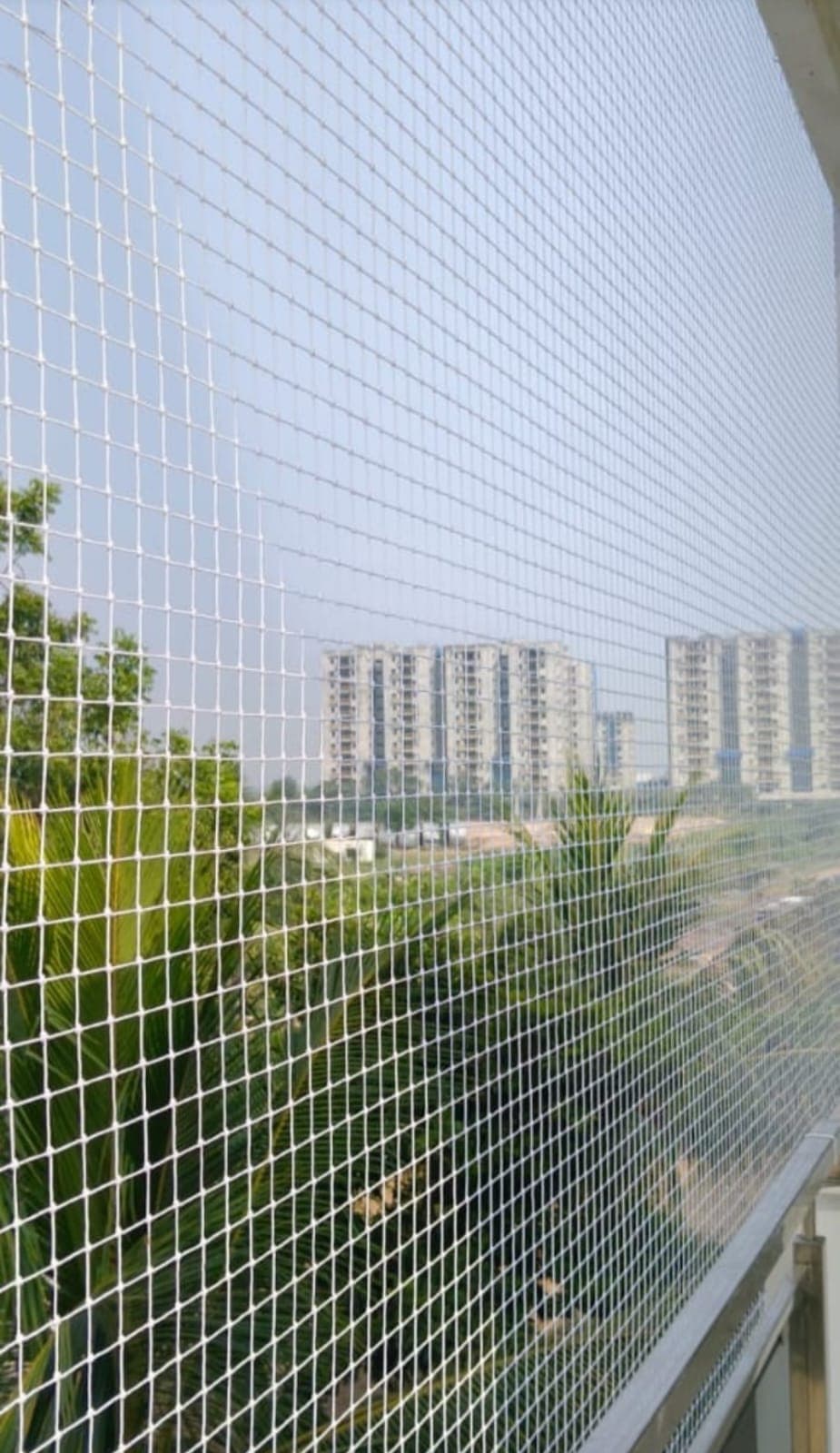
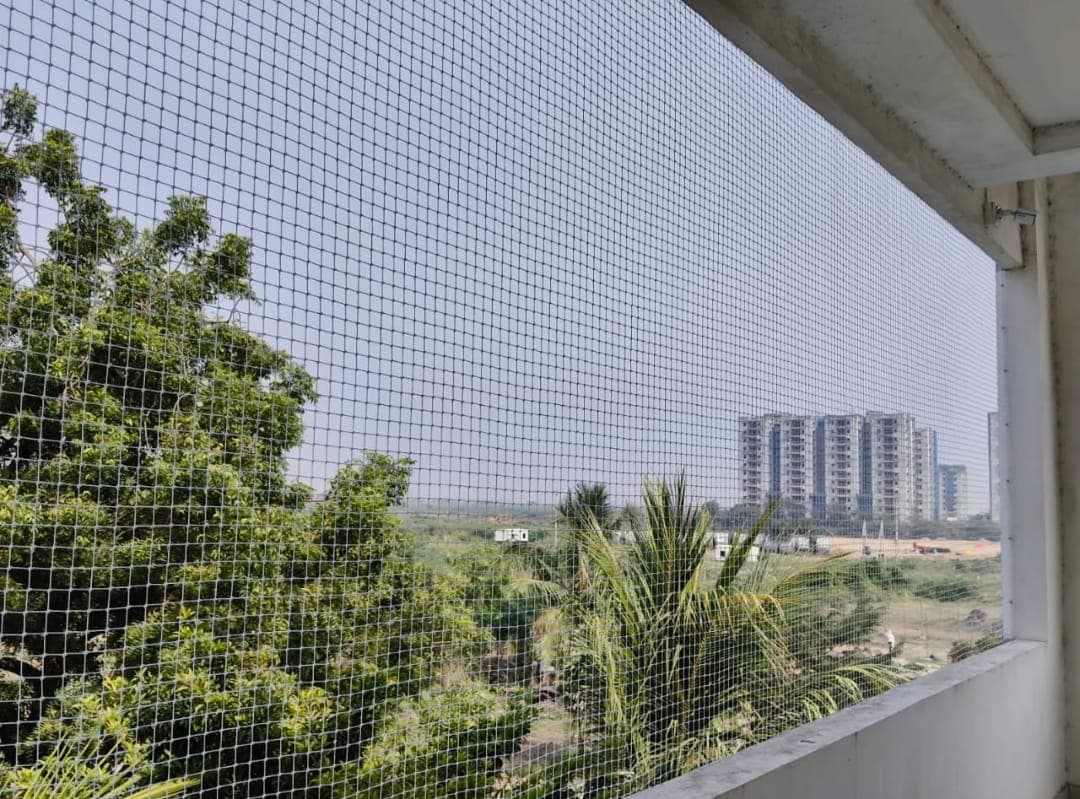
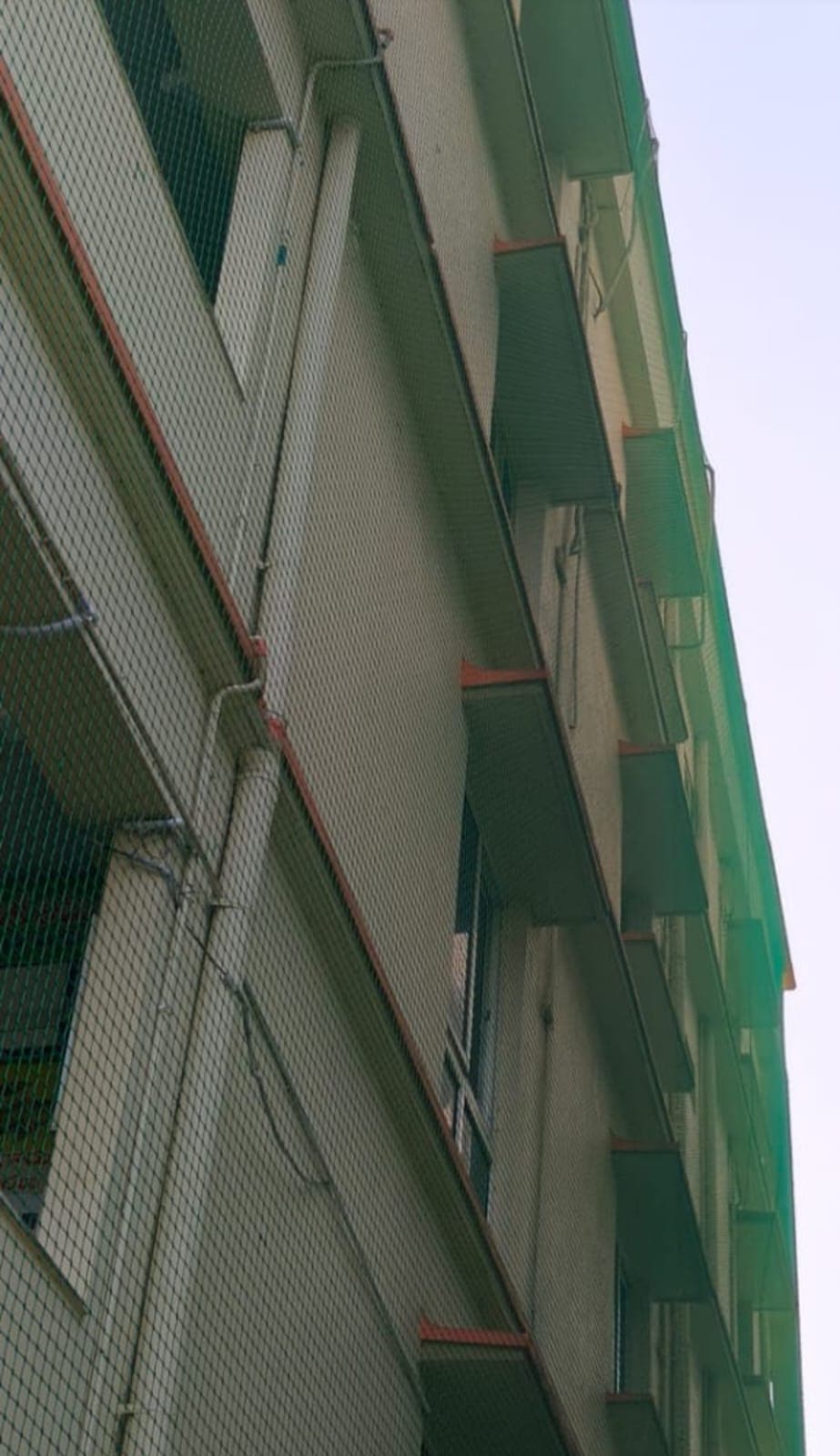

This guide expands on practical decisions for households and facility managers across Andhra Pradesh. Use the sections below to prepare for measurement and quotation. Service availability is confirmed per site — listing a locality on this website does not mean a permanent office exists there.
Cloth drying hangers solve a daily utility problem in apartments and compact houses where railing space is limited, society rules discourage clothes on front elevations, or families want a cleaner balcony. Across Andhra Pradesh, strong sun is useful for drying, but heat, dust and monsoon humidity still influence which system stays comfortable to use. Choosing well means matching the hanger to ceiling condition, load habit and access — not copying a neighbour’s photo alone.
This guide compares common layouts, explains what measurement should verify, and lists mistakes that lead to unsafe fixings or unused hardware. Installation remains subject to site accessibility, measurements, technician availability and project requirements. A quotation should follow those checks rather than a catalogue promise.
The hidden decision in many hanger jobs is the substrate. A strong-looking frame on a weak slab fixing is still unsafe. Measurement should review ceiling height, possible hidden services, and whether the structure can take the planned load path. Wall-mounted systems need sound masonry or suitable alternate fixing. Enclosed utility balconies may offer better weather shelter but tighter clearance around washing machines and outdoor units.
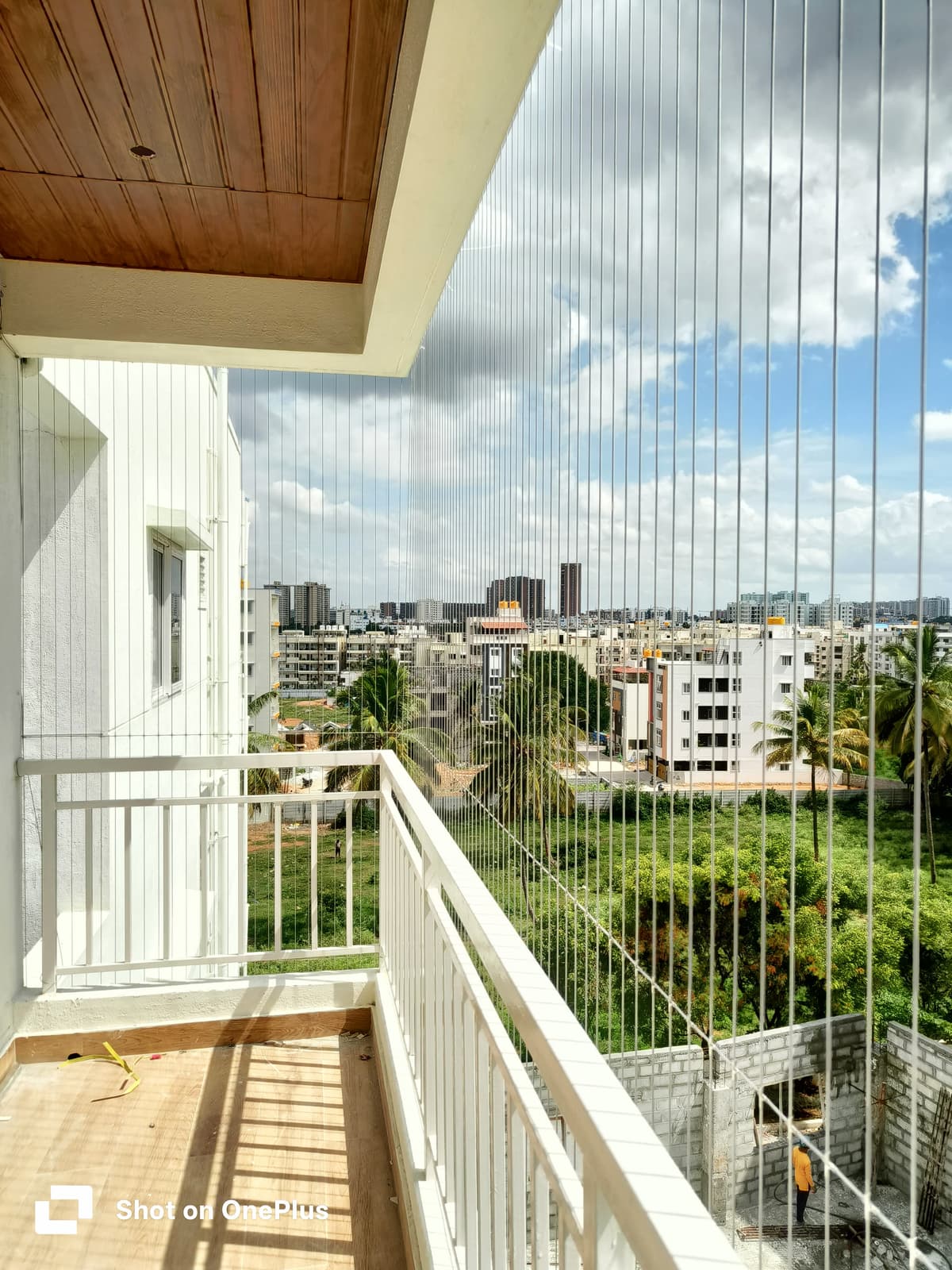
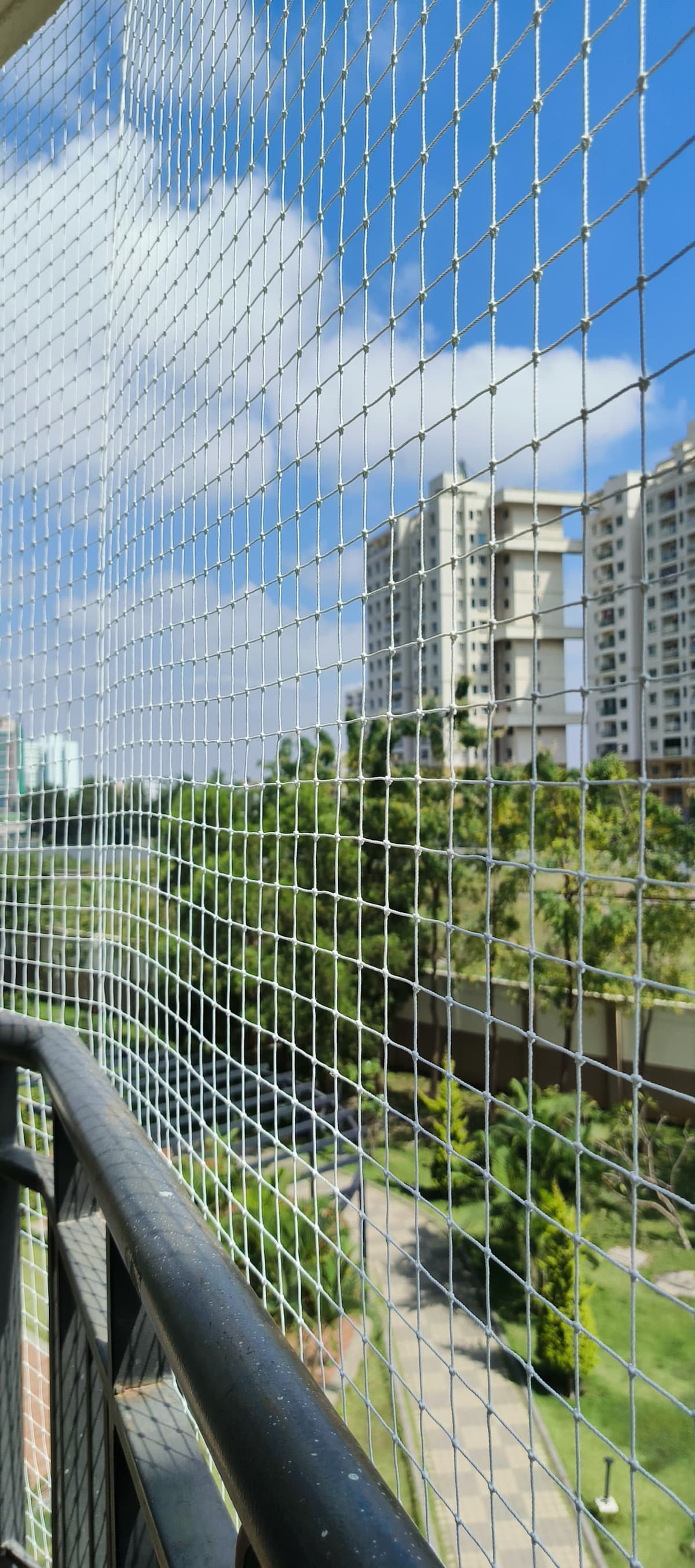
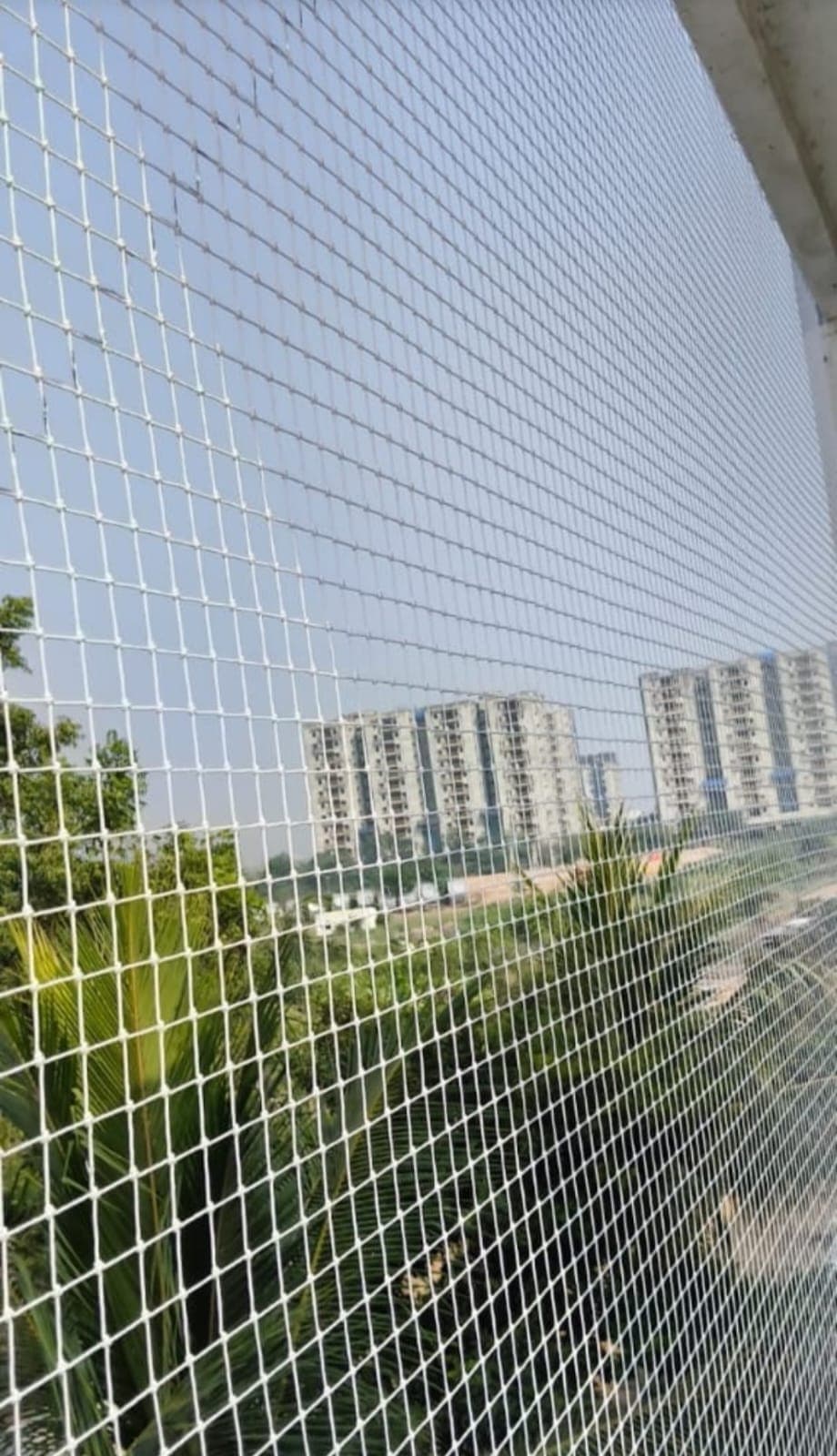
Walk the space with your real laundry in mind. How many rods do you actually fill on washing day? Do you dry heavy bedsheets often? Is the balcony also used as a play edge for children? Hangers should not block emergency movement or encourage climbing near open edges. If invisible grills or safety nets are present or planned, coordinate positions so utility and safety products share the balcony intelligently.
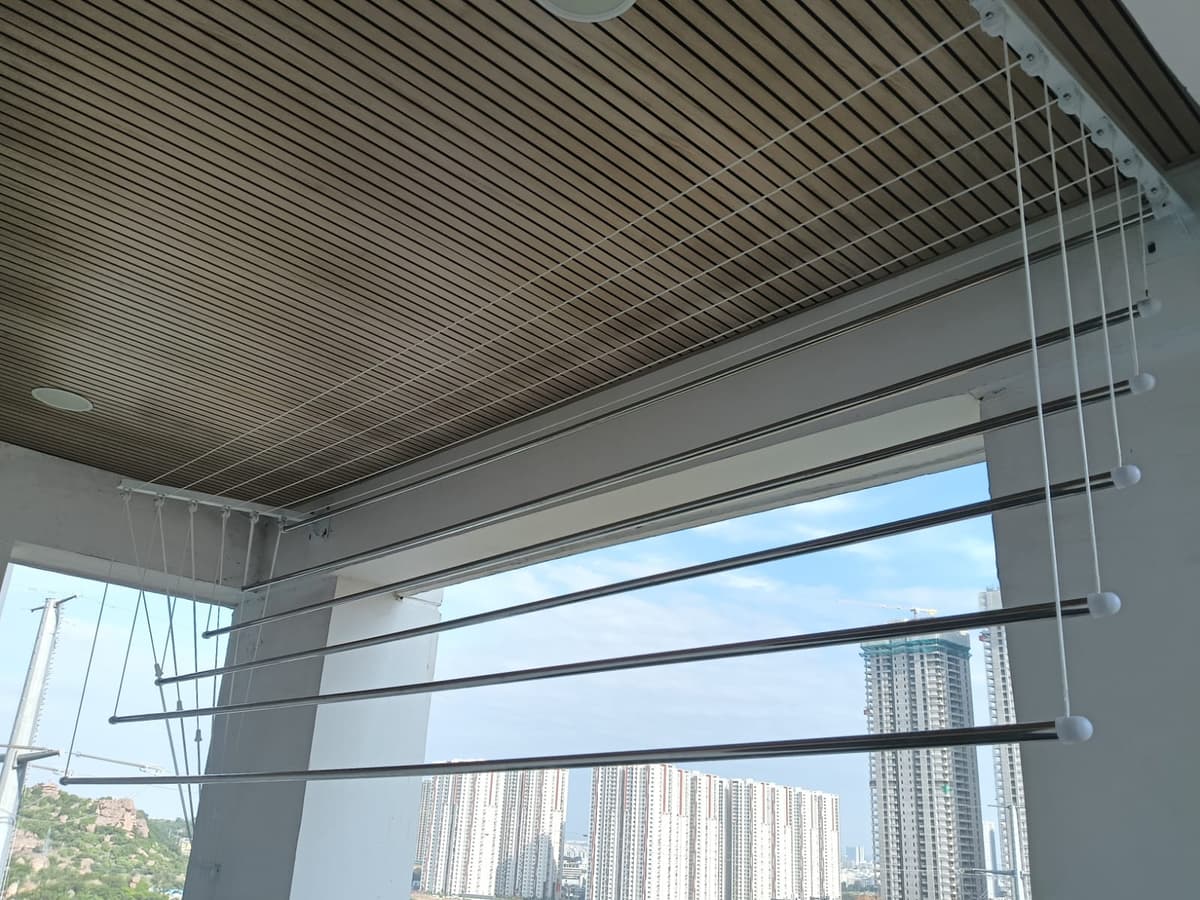
Ceiling-mounted hangers free railing space and keep clothes higher in the air stream. They suit many apartments when the slab and height clearance cooperate. Ask about rod length, number of lines, finish quality and fastener type. Confirm that raising and lowering — if the design includes movement — can be done comfortably by the people who will use it daily.
Because the load hangs from the ceiling, overloading is the common abuse. Respect the guidance shared at handover. Periodic checks of hooks and joints help catch looseness early. If the ceiling is unsuitable, a good installer should recommend an alternative layout rather than force an unsafe fixing to win the order.
Pulley systems help when you want to lower rods for loading and raise them for drying. Moving parts need occasional free-movement checks so cords or cables do not fray unnoticed. Wall-mounted and foldable layouts can suit narrower balconies or spaces where ceiling fixing is impractical. Each option trades convenience, capacity and visual bulk differently.
Stainless or powder-coated components are discussed based on exposure and budget, but fastener quality still matters. Coastal moisture deserves extra attention to corrosion-conscious hardware and cleaning. Colour and finish preferences are secondary to whether the system can be used safely at full expected load.
Cost typically follows hanger type, usable drying length, load expectation, number of fixing points, access difficulty and any custom sizing. A compact single unit differs from a longer multi-rod setup across a wide utility bay. Package work that combines hangers with nets or grills can be efficient when measured together, but each product still needs its own suitability check.
Avoid choosing only by the lowest rate. Ask what is included, whether ceiling suitability was verified, and what happens if site conditions differ from the first photos. Written scope prevents disappointment when a standard span does not fit an irregular utility room.
Clear the balcony or utility area, keep children and pets away from tools, and arrange access according to society rules. Drilling for ceiling or wall anchors creates noise and some dust; cover nearby belongings if needed. After installation, test the movement range if applicable, confirm rods sit level, and learn the load guidance before first heavy wash day.
If unexpected services are found in the ceiling, or if substrate doubts appear, pause and revise the plan. Forcing anchors into an unsuitable surface is not a win. Rescheduling or switching layout is the responsible outcome.
Wipe frames periodically, keep pulleys free of lint buildup, and avoid hanging luggage, planters or storage from drying rods. After storms, check for looseness. Report damaged cords, bent rods or shifting anchors early. Longevity depends more on correct fixing and respectful use than on slogans about lifetime performance.
In shared apartments, agree household rules so teenagers or guests do not overload the system. If laundry volume grows — for example after family size changes — reassess whether an additional unit or different layout is safer than stretching one hanger beyond guidance.
Use this path: confirm where clothes will dry, estimate real load, inspect ceiling or wall suitability, choose ceiling, pulley, wall or foldable layouts accordingly, measure, approve written scope, install, then follow load and cleaning guidance. If you are unsure, send photos with your city or area and describe washing habits in ordinary language.
Cloth drying hangers are utility products, not safety barriers. Pair them with a sensible balcony safety plan when children or pets use the same space. The best hanger is the one you can fix safely, load honestly and use every week without fighting the balcony layout.
Utility balconies often share space with washing machines, mop buckets, outdoor units and storage drums. Map the free rectangle where rods can hang without striking doors or AC fans. Height clearance matters when someone needs to stand under the hanger to hang bedsheets. If the balcony also has a safety net or invisible grill, decide hanger position so laundry does not constantly rub the safety system.
Society rules sometimes discourage clothes on front elevations, pushing drying into side or rear utility spaces that are smaller and darker. In those cases, pulley systems or carefully placed ceiling units can reclaim usable air volume. Still verify that moisture and detergent splash will not accelerate corrosion on nearby fittings.
Where two families share overlapping service areas in older buildings, confirm who owns the ceiling or wall you plan to drill. Shared-structure disputes are easier to avoid before holes exist than after.
A hanger sized for light daily wear may fail family expectations on festival or guest-laundry days. Be honest about peak load, not only average Tuesday use. Heavy wet cotton holds more water weight than dry synthetics. If peak days are frequent, choose capacity accordingly or plan a second unit rather than overloading one frame.
Households with elders should consider reach and ease of raising or lowering rods. A design that looks efficient in a showroom photo can be awkward if the main user cannot operate pulleys comfortably. Ask for a demonstration of movement range during handover.
Teach everyone in the home the same rules: no luggage on rods, no sudden swinging loads, and report unusual noise or tilt early. Consistent habits extend service life more than occasional aggressive cleaning.
Many Andhra Pradesh apartments request cloth hangers in the same visit as balcony nets or invisible grills. Combined measurement helps place ceiling hooks where they will not clash with net edges or grill returns. It can also reduce repeated society permissions and lift bookings.
Sequence matters on installation day. Sometimes safety edge work is completed before utility hardware, or vice versa, depending on access. Ask the team how they will protect finished work if both trades occur close together. Keep the balcony usable for essential drying during multi-day packages by agreeing temporary arrangements.
When comparing package quotations, still read hanger line items separately: type, length, fixings and ceiling assumptions should be explicit. A bundled price that hides an unsuitable ceiling plan is not a bargain.
Confirm hanger type, drying length, expected load, ceiling or wall suitability, fastener approach, movement method if any, and whether the position conflicts with safety products or outdoor units. Ask for those points in the quotation rather than trusting memory of a phone call.
If any item is unclear — especially substrate strength — pause approval until measurement answers it. A delayed correct install is better than a fast install into a weak ceiling. Once approved, prepare the utility area, follow load guidance after handover, and reassess capacity if laundry habits grow substantially later.
Keep a simple note of the approved type and load guidance near the utility switchboard or on your phone. When guests help with laundry, that note prevents accidental overload. Choosing a hanger well is only half the outcome; using it within the agreed limits is the other half that keeps the balcony useful for years.
Share your city or area, photos and priorities. We will confirm whether measurement can be scheduled and outline a site-specific recommendation.
Pricing depends on measurements, material grade, required spacing, installation complexity, building height, site accessibility and total project quantity.